If you’ve ever walked into your Sydney home after cooking a delicious meal—the scent of roasted garlic and caramelized onions filling the air—only to realize the air itself feels heavy, slightly smoky, and perhaps a little… stale—you understand the problem. Cooking, while essential for life and good times, is a surprisingly powerful atmospheric pollutant. We aren't just talking about a pleasant aroma; we are dealing with microscopic particles, volatile organic compounds (VOCs), and excess moisture that can linger and impact indoor air https://riverskef191.lowescouponn.com/the-hidden-dangers-what-are-the-risks-of-ignoring-exhaust-fan-maintenance quality (IAQ). Don't let a great dinner turn into an air quality disaster! This comprehensive guide will walk you through the most effective, scientifically backed methods to restore home air quality after cooking Sydney, ensuring your indoor environment is as fresh and vibrant as your favorite Sydney beach day.
Understanding the Culinary Air Challenge
Before we can fix the air, we need to understand what we’re dealing with. The smoke alarm is a simple warning system, but the air itself can hold a cocktail of irritants that are often invisible to the naked eye. These pollutants aren't just a nuisance; they can trigger allergies, exacerbate respiratory issues, and generally make you feel a bit sluggish.
What Pollutants Are We Actually Breathing?
When food hits the heat, chemistry happens. This process generates several types of airborne particles.
- Acetaldehyde and Formaldehyde: These are common VOCs released when things burn or caramelize, particularly from frying or charring. They are notorious irritants. Particulate Matter (PM): This includes smoke and fine soot particles. PM2.5, for example, are tiny enough to enter the bloodstream, making them the most concerning elements. Oils and Grease: While necessary for cooking, when these aerosolize, they contribute to sticky residue and overall poor air circulation.
It’s like trying to breathe through a silk scarf that has been lightly smoked—you can feel the effect even if it doesn't look dramatic. Why does this matter? Because good IAQ is foundational to good health.
The Immediate Impact on Your Home
The impact is immediate and cumulative. A single cooking session can saturate a home with enough particles that, if left unchecked, they can linger for hours. Furthermore, high humidity from boiling or steaming can combine with these pollutants, creating a perfect little storm of poor air quality. How often do we think about the air quality after the meal is served? Most of the time, we don't.
Passive and Active Strategies to Improve Air Freshening
Restoring air quality requires a two-pronged approach: prevention (reducing pollutants as they are created) and remediation (actively cleaning up what has been released).
Kitchen Ventilation: Your First Line of Defense
The most critical step is managing the source. Think of your range hood not just as a decorative appliance, but as a crucial vacuum cleaner for your home.

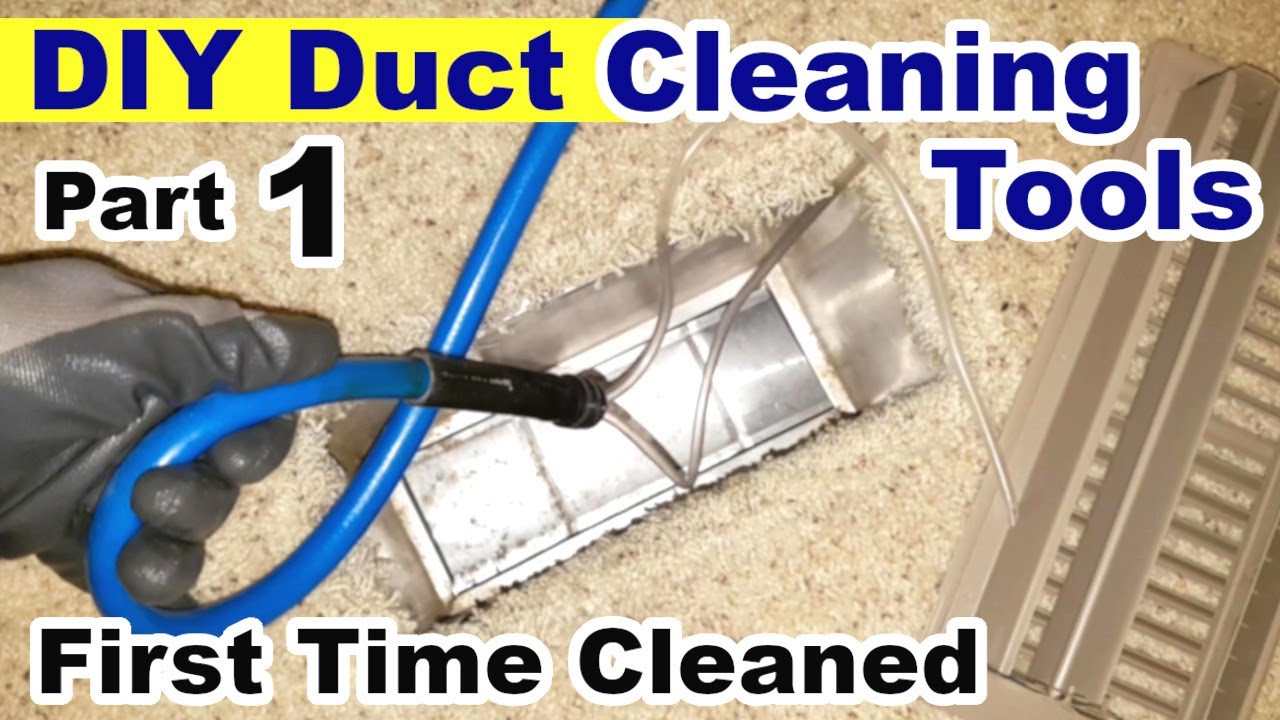
- Use the Right Hood: Ensure your range hood is vented outside your home, not just recirculating the air back into the kitchen. This is non-negotiable for serious pollutant removal. Pre-Cooking Prep: Always preheat your oven and range. This helps the appliances work more efficiently, reducing unnecessary smoke buildup. The Power of the Fan: Even when not cooking, running a small exhaust fan periodically can help keep stale air from settling in the kitchen area.
The Role of Air Purification Systems
When the smoke alarm has done its job, the next step is mechanical cleaning. Air purifiers are not merely scented diffusers; they are sophisticated filtration machines designed to physically capture pollutants.
- HEPA Filters: These are the gold standard. They are rated to capture at least 99.97% of airborne particles down to 0.3 microns, meaning they can catch the fine PM2.5 that cooking generates. Activated Carbon Filters: These are vital for tackling the chemical culprits—the VOCs and odors. Carbon acts like a sponge, trapping gaseous pollutants that HEPA filters can’t touch. Sizing Matters: Don't buy a purifier that is too small. Look for a machine rated for the square footage of the room you are occupying. Running an undersized unit is like trying to empty the Harbour Bridge with a teaspoon.
Natural Remedies and Lifestyle Adjustments
Sometimes, the best solutions are the simplest ones. We don't always need electricity to help our air.
- Ventilation Breaks: After the meal, open every window you safely can. Create a cross-breeze by opening windows on opposite sides of the house. This natural flushing action is unparalleled. Strategic Plant Life: While plants won't replace a HEPA filter, certain varieties (like snake plants or spider plants) are known to naturally filter some common indoor toxins. They are wonderful additions to a home that has been through a culinary gauntlet. The Anecdote of the Forgotten Air: I once knew a friend who would roast a whole chicken, resulting in the most beautiful, comforting aromas. However, she would forget to open any windows afterward. The next morning, the air in her house was so thick with settled grease and particulates that she swore she could taste "last night's dinner" hours later. It was a powerful reminder that air pollution doesn't just vanish when the oven is turned off.
Advanced Tips for Long-Term Air Quality Management
Maintaining pristine air quality is an ongoing commitment, not a one-time fix. If you are serious about mitigating pollutants, consider these advanced steps.
Filtration Beyond the Kitchen
Pollutants don't stay confined to the kitchen. They can build up in carpets, furniture, and even clothing.
- HVAC Filters: Regularly replacing your central heating and cooling system filters is crucial. These filters act as the primary barrier before the air reaches your lungs. Humidity Control: Using a dehumidifier when necessary can help prevent mold and mildew growth, which are themselves significant air quality hazards. The Power of Cleaning: Dusting and vacuuming regularly (preferably with a vacuum equipped with a HEPA filter) removes the particulate matter that has settled on surfaces.
When to Seek Professional Help
If you live in a high-density area of Sydney or if the air quality issues persist despite your best efforts, it may be time to call in the experts. A professional assessment can identify sources of leaks, mold, or chemical off-gassing that household remedies simply cannot solve.
As the saying goes, "The air is the breath of life." If the breath of your home is stale, the life within it suffers. Are you giving your family the clean air they deserve?

Creating a Sanctuary of Fresh Air
The goal of understanding how to restore home air quality after cooking Sydney is to transition from simply managing odors to actively cultivating a genuinely healthy living environment. It’s about making your home a true sanctuary.
Instead of viewing air purification as a chore, think of it as self-care for your entire household. By integrating proper ventilation, high-quality filtration, and simple habits like opening windows, you transform a potential pollutant-dump into a refreshing haven.
Remember, a clean home starts with clean air. Start today by making that cross-breeze a habit, and let the fresh, crisp air be the most pleasant aroma in your Sydney home.