Running a commercial kitchen in Sydney is a high-stakes operation. It’s a place of culinary magic, sizzling pans, and incredible aromas—but it’s also a breeding ground for grease, smoke, and airborne particulates. Neglecting maintenance, especially filter cleaning, isn't just poor housekeeping; it's a major operational hazard that can lead to reduced efficiency, equipment failure, and, crucially, fire risk. If you're wondering what filters need cleaning in commercial kitchen Sydney, this detailed guide is your roadmap to keeping your kitchen running smoothly, safely, and profitably.
Understanding your ventilation system is like knowing the circulatory system of your restaurant. If the filters are clogged, the whole body—your kitchen—suffers. While the sheer volume of grease and grime can feel overwhelming, tackling this maintenance systematically ensures compliance with local regulations and, more importantly, keeps your staff safe from unnecessary headaches (and potential singe-y singes).
The Crucial Filters: Understanding Your Ventilation System Components
A commercial kitchen’s ventilation system is not a monolithic entity; it's a complex network of interconnected parts, each with a specific job. To address the question of what filters need cleaning in commercial kitchen Sydney, we must first identify the primary suspects. These components are the workhorses that manage air quality and smoke extraction, and they all require attention.
Exhaust Hood Filters (The Grease Traps)
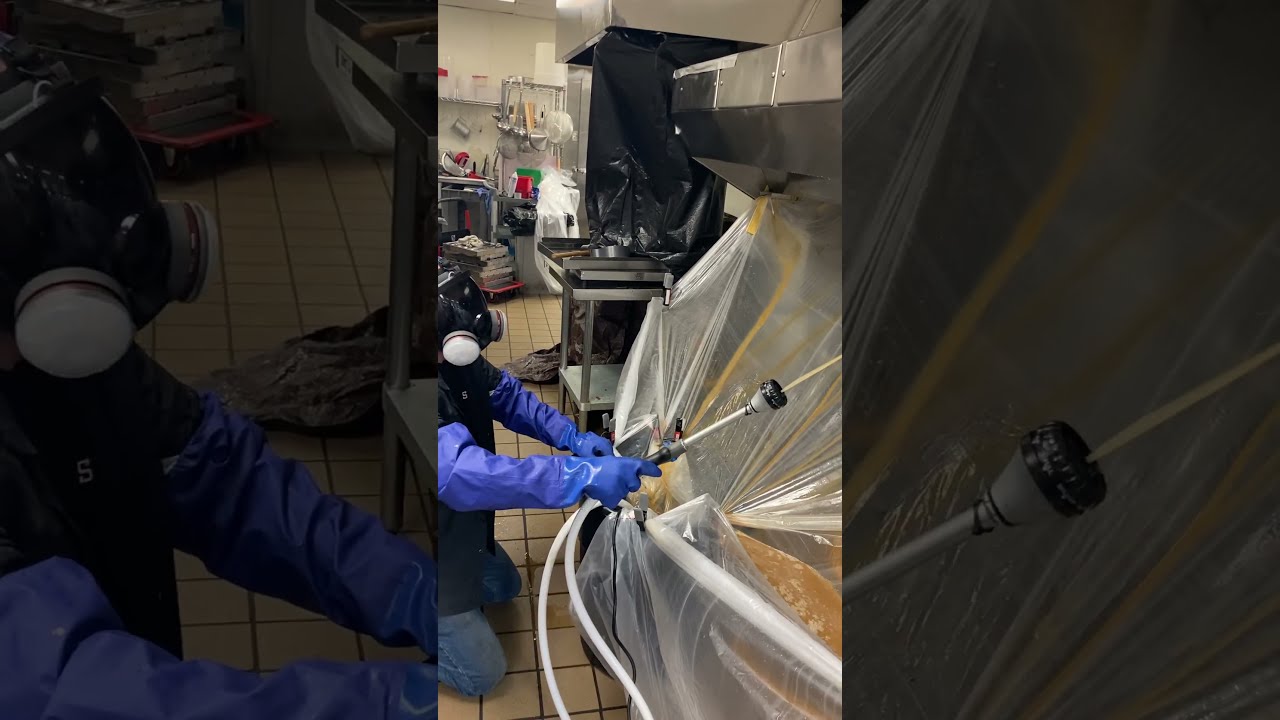
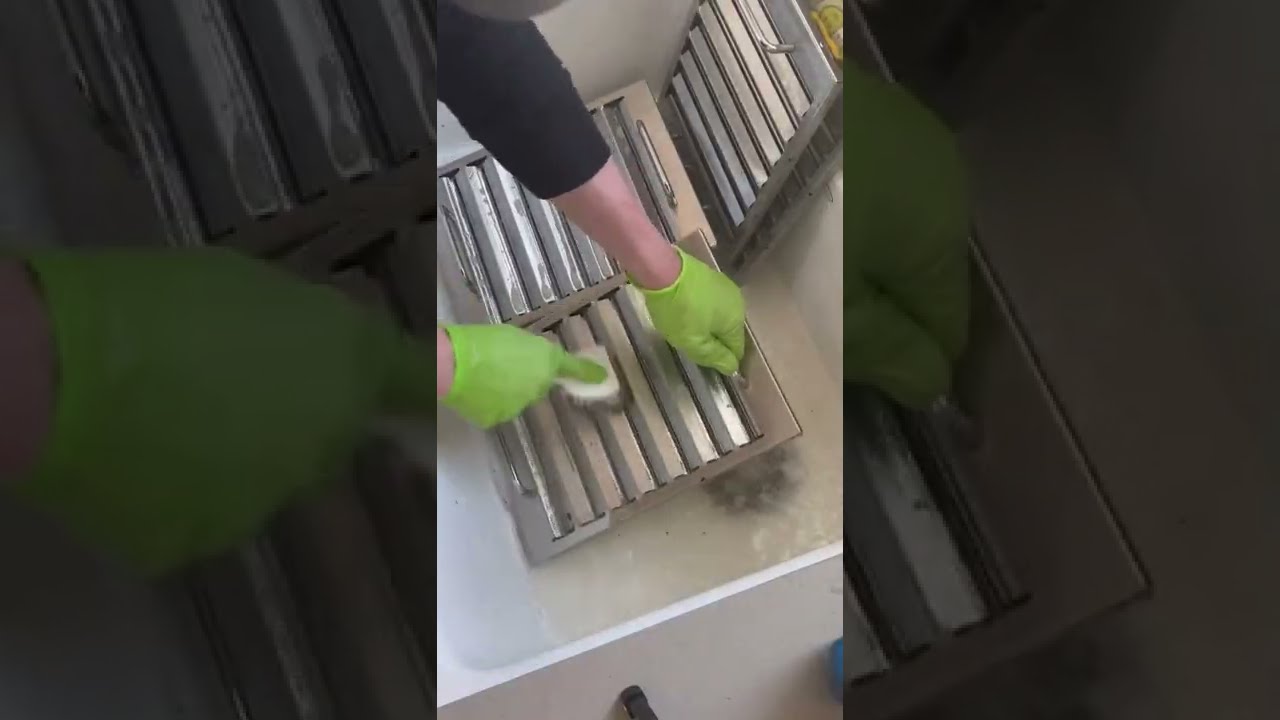
These are perhaps the most visible and most frequently soiled filters. Their primary purpose is to capture grease-laden particles and airborne contaminants before they enter the ductwork.
- The Problem: Grease buildup here is the single biggest fire hazard. When grease accumulates, it acts like tinder waiting for a spark. Cleaning Frequency: Depending on the volume of cooking and the type of cooking (deep frying generates more grease than steaming), these filters might need cleaning weekly or even bi-weekly. Cleaning Method: This requires specialized degreasers and often professional extraction cleaning, as simple washing is rarely sufficient.
Makeup Air Unit (MAU) Filters
The MAU is responsible for introducing fresh, filtered air back into the kitchen, maintaining proper pressure balance. The filters here are critical for air quality and system efficiency.
- The Problem: Clogged MAU filters restrict airflow, forcing the exhaust system to work harder and potentially leading to improper pressure dynamics. Cleaning Frequency: These are generally less soiled by cooking grease but can accumulate dust, mold, and general particulates. Quarterly inspections and cleaning are highly recommended. Inspection Tip: If the air coming out of your MAU suddenly feels weak or dusty, the filters are likely fighting an uphill battle.
Grease Filters and Baffles
Beyond the main exhaust hood filters, the system includes various baffles and pre-filters designed to catch larger debris and direct airflow.
- The Problem: If these secondary components are ignored, the main filters become overwhelmed, leading to a cascading failure of the entire system. Cleaning Frequency: These are often cleaned during the main hood cleaning process, as they are hard to access otherwise.
Deep Dive: Why Proper Filter Maintenance is Non-Negotiable
Some people view filter cleaning as a mere cost of doing business—an annoying expense. However, viewing it this way is like treating a car's oil change as optional; the consequences are far greater than the cost of preventative care.
Fire Safety and Compliance
The most critical reason for maintaining filters is fire safety. Grease buildup in the ductwork is not just a mess; it is a serious liability.
"Preventing a fire is far cheaper than fighting one." - A seasoned Sydney facilities manager.
A quote from a local industry expert perfectly encapsulates this truth. Proper cleaning ensures that the system remains compliant with NSW fire codes. Are you certain that your current cleaning schedule meets the stringent requirements for high-risk commercial environments?
Operational Efficiency and Energy Costs
When filters are clogged, the motors have to pull air through increasingly restricted passages. This forces the system to draw excessive power, leading to:
- Higher energy bills. Increased wear and tear on expensive motors and blowers. Reduced overall ventilation capacity.
It’s a vicious cycle: dirty filters make the system inefficient, which costs you money, which makes you think you can skip the cleaning.
The Impact on Air Quality
Air quality is foundational to the customer and employee experience. Poorly maintained filters can circulate stale, greasy, or even moldy air, which is detrimental to both staff morale and the overall ambiance of the restaurant.
Identifying Signs That Filters Need Immediate Attention
How do you know when the problem has escalated from "needs cleaning soon" to "needs cleaning now"? Pay attention to these tell-tale signs:
- Reduced Suction Power: If the kitchen suddenly feels stuffier, or if smoke seems to linger longer than usual, the system is struggling. Visible Residue: Any visible, hardened, or sticky residue on the filters is a flashing red warning sign. Motor Strain: If the ventilation unit sounds louder or the motors seem to be working harder than normal, the airflow is restricted.
If you are unsure about what filters need cleaning in commercial kitchen Sydney, or if the signs are ambiguous, don't guess. Call in a professional assessment.
Optimizing Your Maintenance Schedule for Sydney's Culinary Scene
The perfect cleaning schedule is not one-size-fits-all. It must be tailored to your specific operations. A bakery, for example, has different filter needs than a deep-frying seafood restaurant.
Routine Inspection Checklist
When coordinating your maintenance, ensure the professionals check these key areas:
- Grease Trap Capacity: Is the primary grease trap serviced and cleared of sludge? Ductwork Integrity: Are there any signs of corrosion or tears in the ducting? Filter Depth: Are all filters (hood, MAU, secondary) inspected, not just the main visible ones?
Remember, proactive maintenance is like having a reliable co-pilot: it prevents unexpected turbulence. It’s far better to schedule a deep clean when the kitchen is quiet than to scramble to fix a failure during a busy Saturday night service.
Ensuring Peace of Mind in the Sydney Kitchen
Managing a commercial kitchen is a delicate balance of culinary art and mechanical science. By understanding precisely what filters need cleaning in commercial kitchen Sydney—from the main exhaust hoods down to the MAU units—you move from simply reacting to problems to proactively managing risk.
Maintaining a spotless, efficient, and compliant ventilation system is not just about meeting local regulations; it is about protecting your staff, safeguarding your investment, and ensuring that the only thing that sizzles in your kitchen is the perfect sear. Taking the time today to audit your ventilation system is the most important preventative step you can take toward a safer, more profitable, and less stressful culinary future.