The air inside your home should feel like a gentle, refreshing breath, not a stale, slightly damp sigh. Over time, living in a single structure means that the air, while providing life, also accumulates pollutants, excess moisture, and the inevitable scent of cooking dinner. If your ventilation system isn't performing its duty—acting like a tireless, invisible air purifier—your home can quickly become a breeding ground for stale air and minor health irritations. But how do you, the homeowner, know if your ventilation system is efficient? It’s not always an obvious problem, which is why understanding the signs and the science is crucial. This comprehensive guide will walk you through the essential checks, professional assessments, and simple fixes needed to ensure your indoor air quality is nothing short of pristine.
The Critical Role of Ventilation in Modern Living
Ventilation is far more than just moving air; it is the circulatory system of your home. It manages the exchange of stale, pollutant-laden indoor air with fresh, clean outdoor air. When this exchange is poor, the air quality—or IAQ—suffers. Ignoring this fundamental aspect of home maintenance can have far-reaching consequences, making it as important as changing your furnace filter.
Health Impacts of Poor Air Quality
Poor ventilation can allow invisible enemies to settle in. We are talking about more than just musty smells. When air exchange is inadequate, common indoor pollutants build up. These can include:
- Volatile Organic Compounds (VOCs): Released by furniture, paint, and cleaning supplies. Mold Spores: Thriving in areas with high humidity and poor airflow. Carbon Dioxide ($\textCO_2$): As humans exhale, $\textCO_2$ levels rise. High concentrations, especially while sleeping, can lead to drowsiness, headaches, and difficulty concentrating.
The World Health Organization (WHO) notes that poor indoor air quality is linked to respiratory issues, making proper ventilation a matter of preventative health care.
Energy Savings and Structural Integrity
Many people assume that good ventilation means wasting energy, but this is far from the truth. Conversely, poor ventilation can lead to structural and energy inefficiencies.
By constantly allowing moisture to build up (a process called condensation), you create ideal conditions for mold and mildew. These growths not only damage the aesthetic appeal of your home but can also compromise the integrity of drywall, wood, and insulation. Furthermore, modern, tightly sealed homes are excellent at retaining heat, but they are equally good at trapping stale air if mechanical ventilation isn't running properly.
Checking the Basics: Early Warning Signs of Inefficient Ventilation
Before you call in a professional, there are several simple, noticeable signs that act like canary warnings in your home's atmosphere. These signs are your first clue regarding how do I know if my ventilation system is efficient?
Persistent Odors and Excess Moisture
The most immediate giveaway is smell. If you regularly detect persistent musty, earthy, or "stale" odors, moisture is likely the culprit.
- Bathroom and Kitchen: If the steam from a shower or the cooking fumes from the stove seem to linger long after you leave the room, your exhaust fans may be undersized, blocked, or simply not being used correctly. Basements and Crawlspaces: Persistent damp smells, even after running a dehumidifier, suggest a systemic moisture issue that ventilation alone cannot solve.
Visible Indicators of Air Quality Issues
Your eyes and nose are your first diagnostic tools. Look out for these physical signs:
- Visible Mold: Black, green, or fuzzy patches on grout, bathroom walls, or wooden trim are clear signs of chronic moisture and poor air movement. Dust Accumulation: If dust seems to settle unusually thickly or seems particularly greasy, it can indicate high levels of airborne pollutants that your system isn't filtering out. The "Heavy" Feeling: Sometimes, the air just feels heavy, even if there's no obvious smell. This can be a sign of high $\textCO_2$ levels, indicating that the air isn't being adequately refreshed.
"The air we breathe is the most valuable resource we possess, and keeping it https://telegra.ph/Navigating-Your-Path-to-a-Profitable-Restaurant-Business-for-Sale-London-06-03 clean is a constant, necessary effort."
Going Deeper: Professional Assessment and Maintenance Tips
If the basic signs suggest a problem, it's time to understand the technical aspects. A professional assessment can give you definitive answers about how do I know if my ventilation system is efficient?
Understanding Airflow Measurement and Metrics
A qualified HVAC technician doesn't just look at the vent; they measure the air. They check specific metrics that provide concrete data:
- Air Changes Per Hour (ACH): This is the industry standard. A higher ACH means more fresh air is entering and exiting the home. Experts will calculate if your home is meeting recommended ACH rates for its size and occupancy. Static Pressure: This measures the resistance to airflow within the ductwork. If the pressure is too low, air flow is restricted; if it's too high, the system is overworked.
One homeowner I once assisted was convinced their system was fine because it "turned on." After professional testing, we discovered that the ductwork was partially blocked by years of accumulated dust and debris. The system was technically running, but it was working like a car with a clogged air filter—it was straining and inefficient.
Simple Maintenance Practices You Can Implement Now
While professional help is necessary for major repairs, several routine habits can significantly boost efficiency:
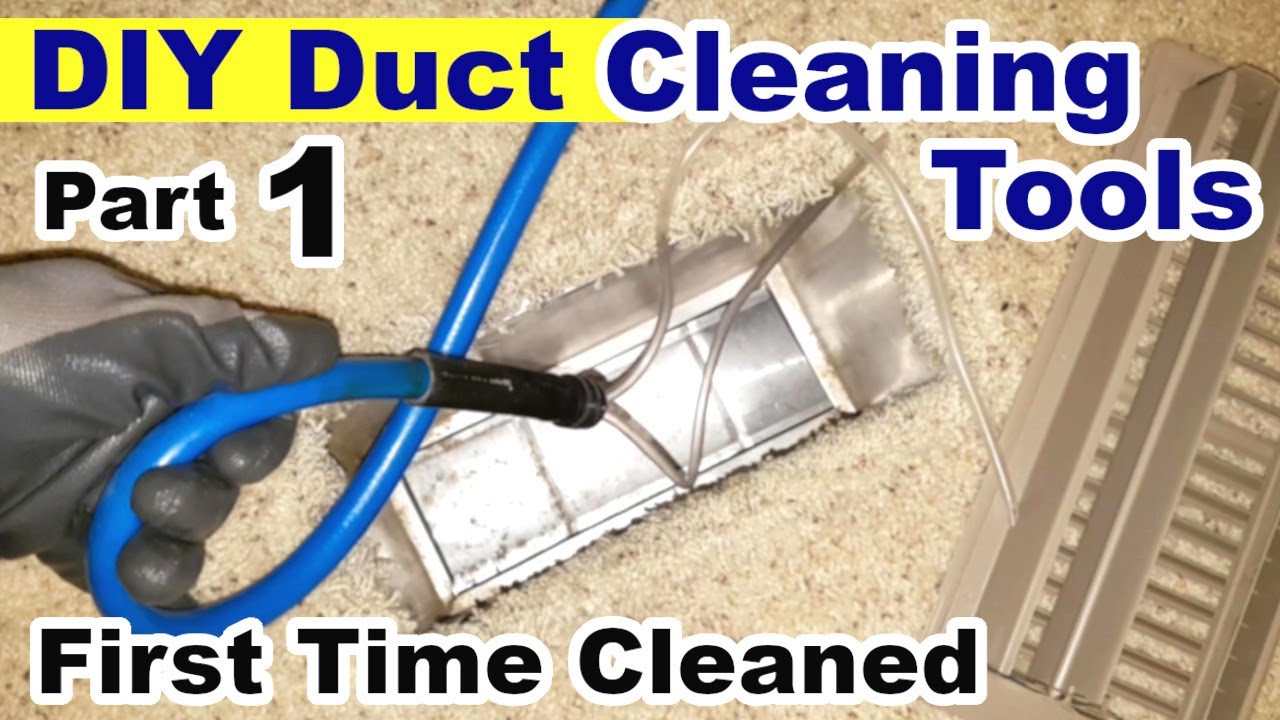
- Use Exhaust Fans Always: Always run your bathroom fan during and for at least 20 minutes after showering. Do the same in the kitchen when cooking. Filter Replacement: Change your HVAC filters according to the manufacturer's recommendations, or even more frequently if you have pets or allergies. A dirty filter is like putting a sock over a powerful engine. Strategic Cross-Ventilation: On mild days, open windows on opposite sides of the house. This natural draft creates a powerful cross-breeze, serving as a temporary, effective ventilation boost.
Optimizing Your Home's Air Quality for Peak Performance
Addressing ventilation efficiency is not a one-and-done project; it's an ongoing commitment to your health and comfort. Think of your ventilation system not as a machine, but as a vigilant guardian keeping the air pure.
If your current system is struggling, consider upgrading to modern technologies. Whole-house humidifiers or dehumidifiers, coupled with Energy Recovery Ventilators (ERVs) or Heat Recovery Ventilators (HRVs), can manage both the moisture and the fresh air exchange simultaneously, making the process far more efficient and energy-conscious.
Remember that a healthy home environment is a synergistic mix of good design, proper maintenance, and smart technology. By taking a proactive approach, you ensure that the air you breathe supports, rather than hinders, your life. Taking the time to investigate how do I know if my ventilation system is efficient? is perhaps the most valuable home maintenance task you can undertake.
By performing these checks and implementing these strategies, you transform your home from a potential air trap into a sanctuary of clean, invigorating air.