The aroma of a freshly baked loaf or a sizzling steak should evoke feelings of comfort and joy, not the faint, acrid smell of burnt grease. Our range hood is a crucial appliance, designed to keep our kitchens clean and our air breathable. However, the very grease it captures—the culinary evidence of your best meals—is also the primary culprit of dangerous buildup. Knowing when should I clean my range hood ducts? isn't just about maintaining efficiency; it’s a critical matter of home safety. Neglecting this simple task can transform your gleaming kitchen into a hazard zone. This detailed guide will provide you with the definitive timeline, the warning signs, and the proper steps to keep your ventilation system running like a dream, not a ticking time bomb.
Understanding the Grease Trap: Why Cleaning is Non-Negotiable
A range hood system is fundamentally a sophisticated grease filtration and exhaust system. It works by pulling smoke, steam, and airborne particles up and out of your home. If this system clogs, it loses its ability to perform its function, and worse, it becomes a serious fire risk.
The Hidden Accumulation: What Is Actually Trapped?
It's tempting to think that the grease buildup is harmless, just a sticky residue. However, the accumulation is complex, consisting of more than just oil. The trapped materials include:
- Combustion Byproducts: Smoke and carbon particles. Aerosolized Fats: Tiny droplets of oil that cool and solidify. Dust and Debris: Airborne particulates that settle on surfaces.
These materials combine to form a dense, combustible sludge. Over time, this sludge doesn't just sit there; it acts like tinder waiting for a spark.
The Peril of Neglect: Fire and Efficiency Loss
The primary concern with dirty range hood ducts is fire. Grease is highly combustible. When a buildup reaches a critical mass, a stray spark—perhaps from a burner, or even a faulty electrical connection—can ignite the sludge. This isn't Get started a minor mishap; it can lead to catastrophic kitchen fires.
Furthermore, a clogged system drastically reduces airflow. When the ducts are choked with grease, the hood struggles to draw air, meaning the fumes and smoke you are trying to remove simply recirculate, defeating the entire purpose of the appliance.
Establishing the Timeline: Determining the Right Cleaning Schedule
The most common question is, when should I clean my range hood ducts? The answer isn't a single date; it’s a combination of proactive scheduling and reactive observation. Think of your ventilation system like the plumbing in your home—it needs regular maintenance to prevent costly and dangerous blockages.
Routine Maintenance Schedules for Homeowners
For the average household, a consistent schedule is key. This structure helps you stay ahead of the buildup before it becomes a crisis.
- The Grease Filter (The Quick Clean): These metal mesh filters are the most accessible part of the system. They should be cleaned every 1–2 weeks. Depending on how often you cook and the type of cooking you do (deep frying vs. steaming vegetables), this interval must be adjusted. The Ductwork and Vents (The Deep Clean): This refers to the actual ducting leading out of the house. This area is harder to access and requires professional attention. Ideally, a professional duct cleaning should occur at least once every 6 to 12 months. The Motor and Housing: This visible component should be wiped down monthly to remove dust and grime, ensuring the motor runs smoothly and efficiently.
Recognizing Warning Signs: When to Act Immediately
Sometimes, your range hood will tell you exactly when it needs attention. Pay close attention to these warning signs. They are like the early warning sirens of your kitchen:
- The Smell Test: If you notice a persistent, burnt, or acrid smell even after the cooking is finished, the grease is likely burning off inside the ductwork. The Performance Drop: If the hood seems to be running constantly, but the smoke and steam are still lingering, the system is losing power—a clear sign of restriction. Visible Soot: If you see noticeable black soot buildup on the exterior housing or near the exhaust vents, the buildup is reaching critical levels.
Making the Right Choice: DIY vs. Professional Deep Cleaning
While some maintenance is simple enough for a homeowner to handle, attempting a full duct cleaning yourself can be dangerous and ineffective. Understanding the difference between basic upkeep and professional deep cleaning is essential.
Simple Homeowner Tasks (DIY)
Most routine tasks are straightforward and can be managed with basic tools and some elbow grease.
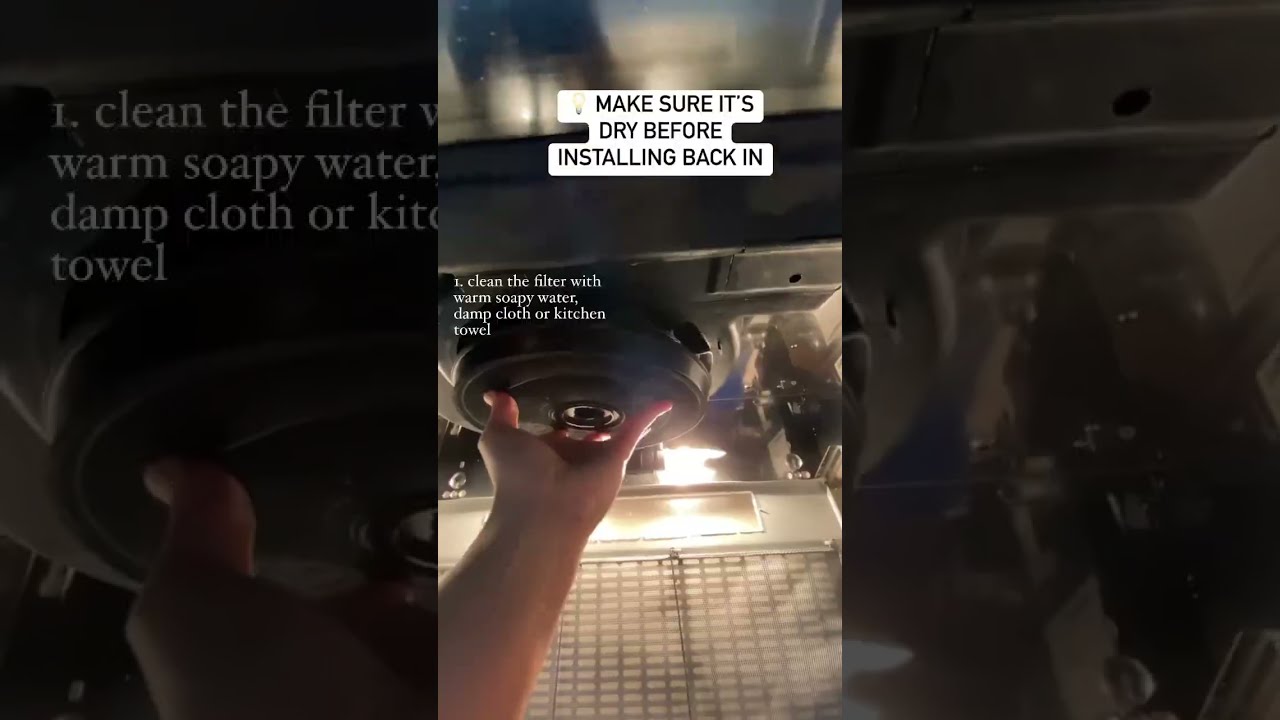
- Filter Cleaning: Remove the mesh filters and soak them in a solution of hot, soapy water or a commercial degreaser. Scrubbing them thoroughly will restore their filtration capacity. Exterior Wipe-Down: Use a damp cloth and mild cleaner to wipe down the visible motor housing and vents. Checking Connections: Visually inspect all visible connections for any obvious gaps or leaks, ensuring the system seals properly.
When Professional Intervention is Essential
For the true deep cleaning—the removal of sludge from the internal ducts—it is strongly recommended that you call a certified professional. Why? Because the buildup inside the ductwork is often too thick, too high, and too dangerous for a homeowner to safely reach or remove.
As one expert safety consultant noted, "When it comes to exhaust ducting, the principle is simple: if you can't see the grease, assume it's there, and assume it's dangerous." A professional has specialized equipment (like industrial vacuums and flexible augers) to ensure that the entire duct run, from the hood to the exterior vent, is thoroughly purged of combustible residue.
Maximizing Kitchen Safety and Efficiency
Keeping your range hood running optimally is an investment in your family's health and the structural integrity of your home. It is not merely an appliance chore; it is a safety protocol.
To ensure your system remains in peak condition and you never have to wonder when should I clean my range hood ducts? again, adopt these habits:
- Pre-Cook Prep: Always clean up spills and splatters immediately. Do not let grease accumulate on the stovetop and drip into the hood intake. The Golden Rule of Use: When cooking, especially anything high-heat or greasy, always turn the hood on before you start cooking and leave it running for 5–10 minutes after you finish. This ensures that residual smoke and odors are properly captured. Consider Advanced Filtration: If you cook frequently, ask your appliance store about upgrading to an advanced, commercial-grade filtration system that is designed for higher grease loads.
The key takeaway is that preventative maintenance is far easier (and safer) than emergency cleanup. By integrating these cleaning cycles into your routine, you ensure that your kitchen remains a hub of culinary joy, not a potential hazard. A little bit of attention to your ventilation system goes a long way toward peace of mind, allowing you to enjoy that perfect meal without the worry of hidden dangers.